Why Preparation Matters on Coastal Walks
Walking along the seafront isn't complicated, but it's worth doing properly. A few minutes of planning before you head out makes the difference between a brilliant morning and a miserable one. You're dealing with weather that changes fast — wind coming off the water, sudden rain, temperature drops. The ground's different too. We're not talking about manicured park paths here. You've got uneven surfaces, slippery spots when it's wet, and railings that don't always feel as sturdy as you'd like.
Most problems on a walk come from not thinking things through. Someone forgets their phone. Another person wears trainers with no grip and nearly turns an ankle on wet stone. It's not dramatic stuff — just minor annoyances that pile up. The good news? It's all preventable. The walks at Dún Laoghaire are genuinely safe and well-maintained, but you've got to respect the environment. Wind gusts around the pier. The sun doesn't reach everywhere, so some sections stay damp longer. Knowing what to expect and what to pack means you'll actually enjoy yourself instead of just getting through it.
Quick Reality Check
Most injuries on coastal walks happen because people aren't wearing proper shoes or didn't check the weather. Spend 30 seconds before you leave. It's not paranoid — it's smart.
Footwear: Non-Negotiable
Your shoes matter more than anything else you bring. Not because we're being precious about it, but because the terrain is legitimately slippery. The stone paths get algae buildup, especially near the water's edge. Rain makes it worse. You need something with real grip underneath — not smooth rubber, not worn-out soles.
Walking trainers are ideal. Not fashion trainers, but actual walking shoes with thick tread patterns. Brands like Merrell, Salomon, or Skechers make proper ones that aren't expensive. The soles have channels that channel water away. Your foot doesn't slide around. It's a completely different experience from regular shoes. If you've got hiking boots, even better — they give you ankle support on uneven ground, which matters more as we get older. We don't bounce back from twisted ankles the way we used to.
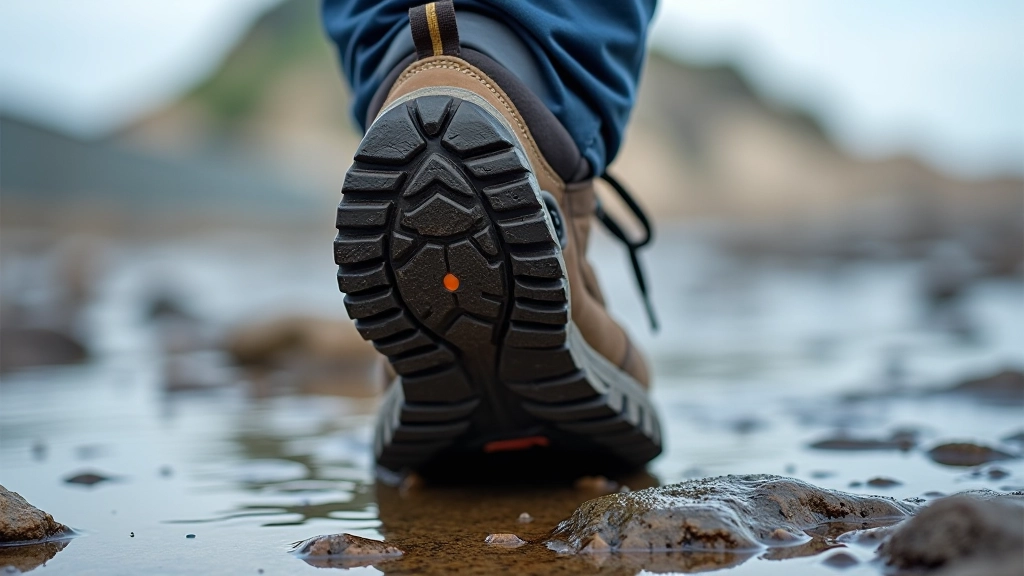
Waterproof matters too. Not just "water resistant." Actually waterproof. Your feet get wet, the walk becomes miserable. A lot of people wear regular shoes and then complain about their knees hurting — it's usually because wet feet made them tense up and walk differently. Invest in something decent. You'll use it for years. A good pair of walking trainers costs €80-120. You'll do dozens of walks in them.
Weather Considerations and Clothing Layers
Irish coastal weather is a joke — literally unpredictable. You'll plan a walk for a Tuesday morning when it's forecast to be sunny, and you'll get there to find it's actually overcast with a stiff breeze. The pier amplifies everything. Wind that feels mild in town gets funneled between buildings and hits you properly out there. Temperature drops 2-3 degrees just from being on the water side of the promenade.
Layering works because it gives you options. Start with a moisture-wicking base layer — merino wool or synthetic, not cotton. Cotton holds sweat and then you're cold. A fleece mid-layer over that. Then a windproof jacket on top. You can strip off the jacket if you warm up. You can add a layer if it gets colder. The whole thing weighs nothing, but it covers you for temperatures ranging from 8°C to 15°C. Wear a hat. Most heat loss is through your head, and you'll be surprised how much a beanie or cap helps when the wind picks up. Gloves too — walking in wind with cold hands is genuinely unpleasant.
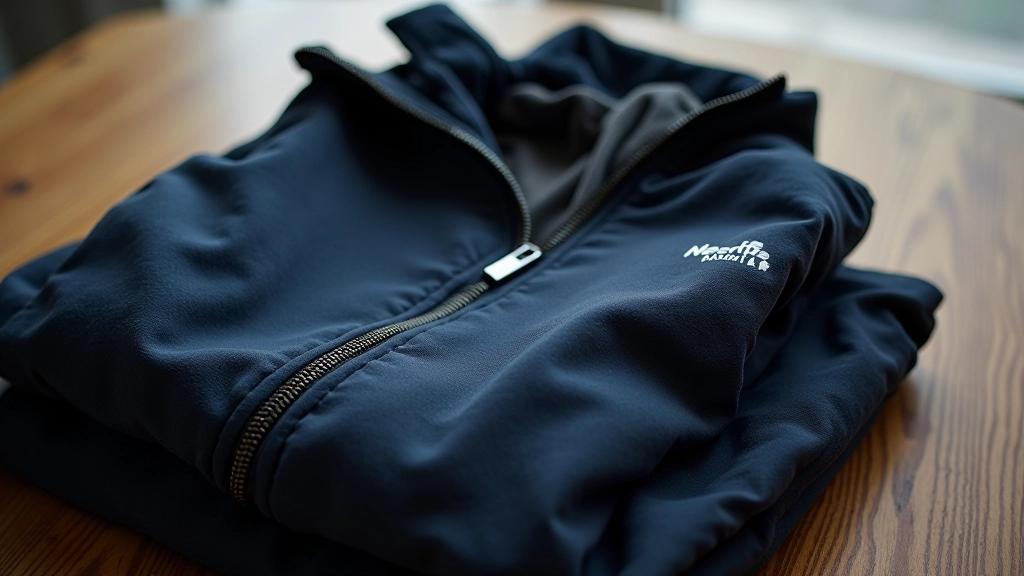
Check the forecast the night before. Not for a guarantee — Irish weather doesn't guarantee anything — but to get a sense of the wind direction and speed. Wind from the east feels colder. Wind from the west brings rain. A quick look at Met Éireann's website takes 20 seconds and tells you what to pack. You'll arrive prepared instead of hoping for the best.
Important Disclaimer
This article provides general guidance for coastal walking safety based on conditions at Dún Laoghaire seafront. Individual circumstances vary significantly. Before undertaking any walk, assess your own fitness level, mobility needs, and health conditions. If you have balance issues, mobility limitations, or health concerns, consult with a healthcare provider before beginning any walking program. Weather conditions can change rapidly — always check current forecasts before heading out. This information is educational and informational in nature. It doesn't replace professional medical advice or personal risk assessment.
What You Shouldn't Leave Behind
A small rucksack is all you need. Nothing heavy. But certain things are genuinely essential. Your phone — not for Instagram, but because you might need to call someone if something goes wrong. Keep it in a waterproof pocket or bag. A small first aid kit with plasters and antihistamine cream. You'll scrape a knee or get stung by a nettle. Better to deal with it immediately than wait until you're home. A water bottle. Even a short walk dehydrates you faster than you'd think, especially on windy days. You don't need to carry two litres — 500ml is enough. Just something to sip from.
Sunscreen matters more than people think. The sun reflects off the water. You're exposed, walking for an hour or more without shade. You'll burn without realizing it. SPF 30 minimum. Reapply if you're out for more than two hours. Bring a small towel or quick-dry cloth. Railings get wet. Benches are often damp. You'll want something to wipe down before you sit.
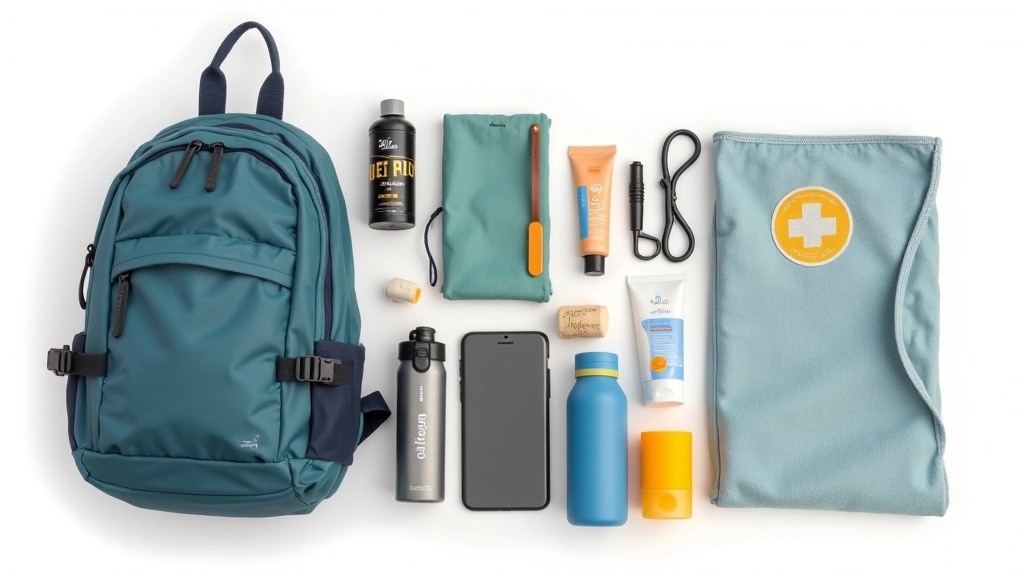
A snack. Seriously. A banana, some nuts, a cereal bar. Your energy drops after 45 minutes of walking. You feel tired, your mood shifts, everything feels harder. A quick snack brings you back. You'll actually enjoy the rest of the walk instead of counting down until you can sit down. And finally — and people forget this — a backup layer. Even if you've checked the weather, bring a light waterproof or an extra jumper. Weather changes. You'll be grateful you brought it.
Safety Fundamentals on the Path
The actual safety rules are straightforward. Stay aware of your surroundings. People get injured because they're not paying attention — stepping off a kerb without looking, not noticing a wet patch. Earbuds are fine if you want them, but keep the volume low enough that you can hear traffic and other people. The pier has cyclists and occasional vehicles. You want to notice them.
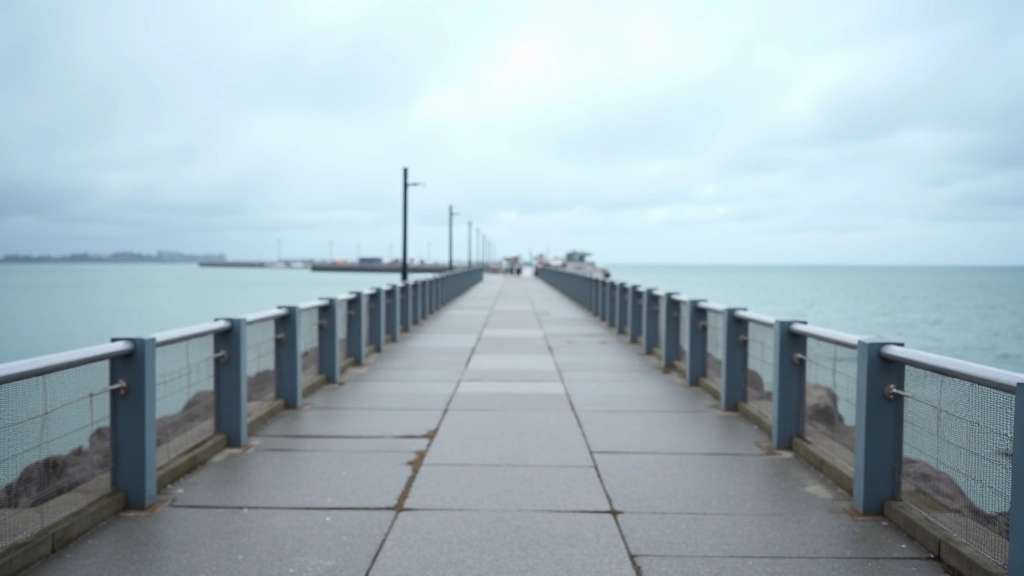
Stick to the designated walking path. It's clearly marked. The railings are there for a reason. On windy days especially, don't venture beyond them. You're not being overly cautious — you're just respecting that water is unpredictable and the wind can gust without warning. Walk with a friend or let someone know you're going. Not because anything terrible will happen, but because it's sensible. If you turn an ankle or feel dizzy, it's helpful to have someone there or to have told someone where you'd be.

Pacing matters. You don't need to rush. The walk isn't going anywhere. If you're feeling tired or the wind's stronger than expected, slow down. Take more breaks. A two-hour walk with three 10-minute sitting breaks is fine. You're getting the same exercise and actually enjoying it instead of grinding through it. That's the whole point.
Making It Part of Your Routine
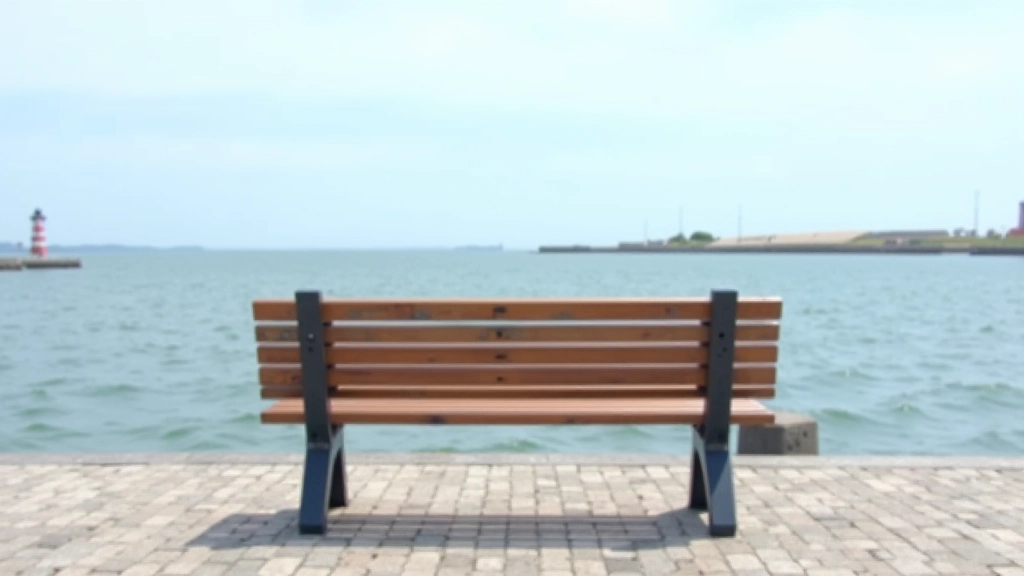
Once you've got your gear sorted — decent shoes, proper layers, a small pack with essentials — the walks become genuinely easy. You'll start going regularly. Tuesday mornings become a thing. You'll notice the light changing with the seasons, spot the same people, find your favourite benches. It becomes part of your week instead of something you have to motivate yourself to do.
The investment in proper equipment pays off immediately. You're not fighting the environment. You're dressed for it. You're prepared. The walk is actually pleasant instead of something you're enduring. That's when it sticks. That's when it becomes something you genuinely look forward to instead of something that sounds like a good idea but feels like hard work.
The Dún Laoghaire seafront is beautiful and accessible. It's not dangerous if you're sensible about it. Decent shoes. Weather-appropriate layers. Basic supplies. Those three things cover everything. After that, it's just enjoying yourself, moving at your own pace, and spending time in a genuinely lovely place. You'll be surprised how quickly it becomes part of who you are — the person who walks the pier regularly. It's worth doing properly.