ipstargate Logo Ipstargate Contact Us
Contact Us

East Pier: A Complete Walking Guide

The full route from entrance to lighthouse. Gentle terrain, stunning harbour views, and plenty of spots to rest along the way.

7 min read All Levels May 2026
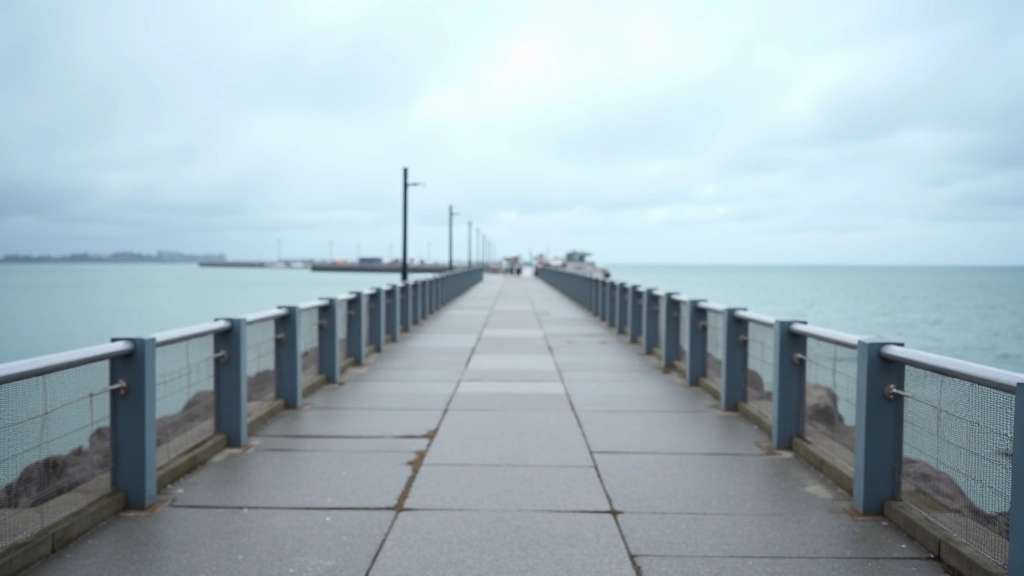
Walking path along Dún Laoghaire East Pier with railings and sea view on both sides

Walking the East Pier is like stepping into the heart of Dún Laoghaire's maritime soul. You're never more than a hundred metres from the water, and the views shift constantly — from the working harbour with its fishing boats to the open Irish Sea. It's not a strenuous walk. Most people complete the full route in about 45 minutes at a relaxed pace, though you'll probably want to linger longer.

The pier stretches 1.2 kilometres from the entrance gates to the lighthouse at the far end. The surface is solid tarmac and stone — well-maintained and safe underfoot even after rain. There are benches positioned throughout, so you're never far from a place to rest and take in the view.

Getting Started: The Entrance to the Promenade

The main entrance gates are easy to find — they're right at the end of the seafront promenade. There's a small carpark nearby, and public toilets at the visitor centre just before you enter. The first section of the pier is the most sheltered. You'll pass a small café on your left (good for a tea break) and some informational plaques about the pier's history.

The path widens here, which means it's easier if you're walking with someone or if you use a walking stick. The gradient is almost imperceptible — you're barely noticing the slight incline that'll become more obvious further along. The sea is usually calmer on this stretch, especially on the sheltered side where the inner harbour sits.

Pro tip: Start your walk on a day with decent visibility. You'll want to see across the bay to Howth and the Dublin Mountains. Cloudy days are fine too, but the views really justify the effort on clearer days.
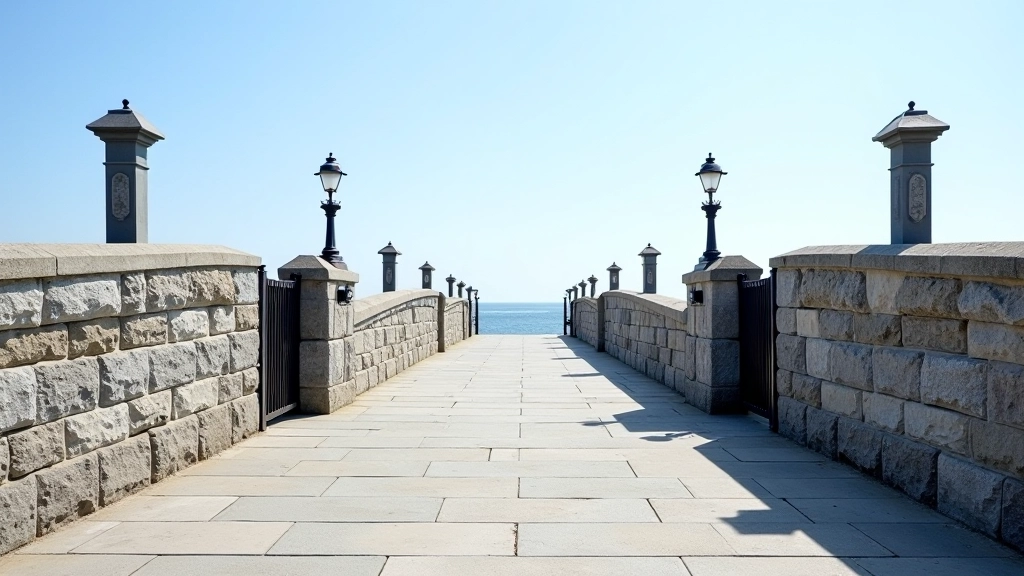
Entrance gates to Dún Laoghaire East Pier with visitor facilities and harbour basin visible beyond
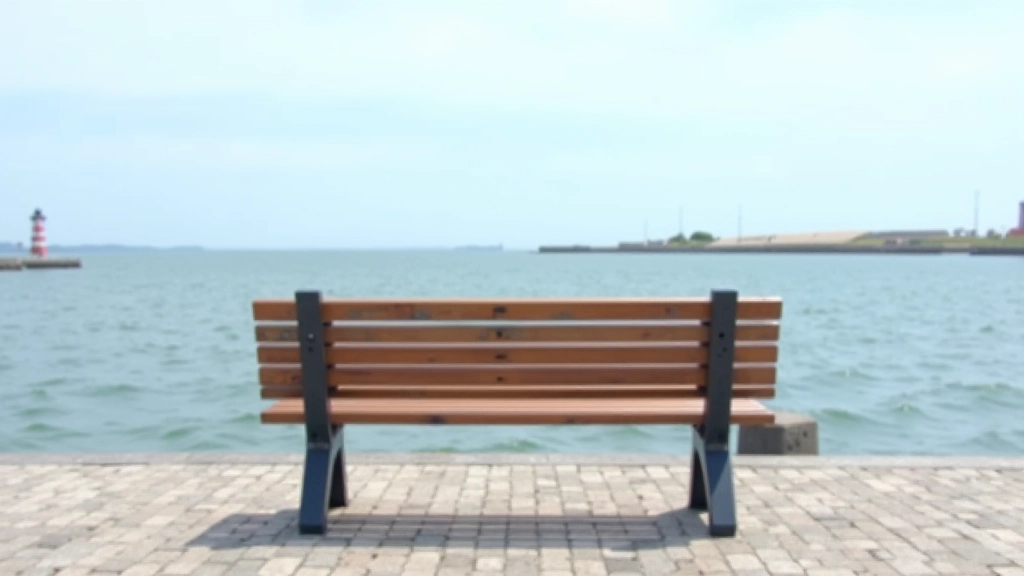
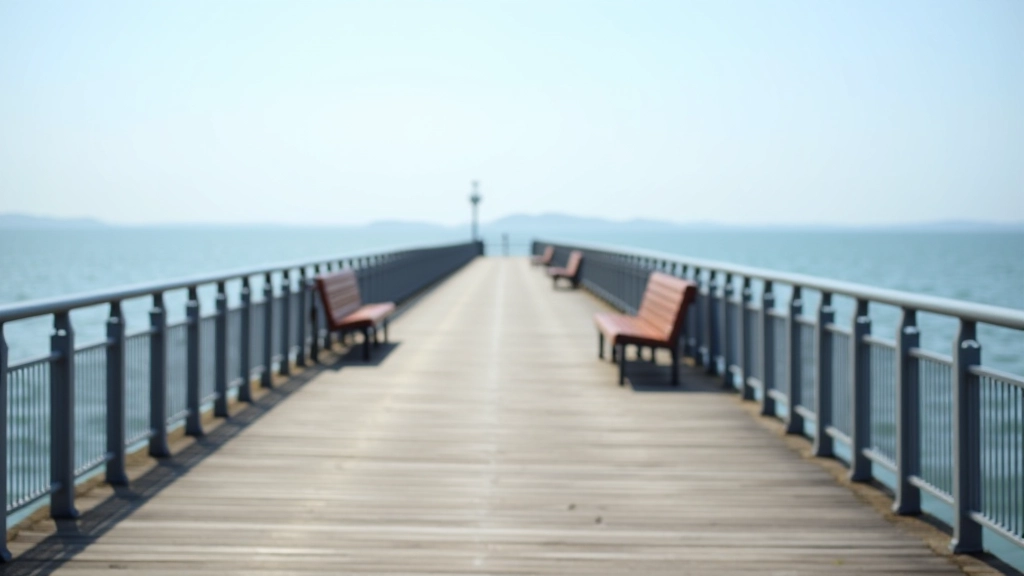
Mid-pier section with benches and sea railings, open water views, calm day

The Middle Section: Where It Gets More Open

Around the halfway point, you'll notice the pier widening and the wind picking up slightly. This is where you get the most unobstructed views. The water's often deeper blue here, and you might spot fishing boats coming and going. There's a series of benches on both sides — the sheltered side faces the harbour, the exposed side faces open sea.

This is also where the incline becomes noticeable. It's never steep, but you'll feel your legs working a bit more. Most people find this section energizing rather than tiring. The air feels cleaner out here, especially after wind has cleared away any urban haze. On quieter days, you might see cormorants or gulls resting on the rocks below.

The surface stays consistent — tarmac and stone the whole way. There's a railing on both sides, so you're safe even if the wind's gusting. Don't worry about losing your balance. The width of the pier means you've got solid footing even in breezy conditions.

What You'll Find Along the Way

The pier isn't just a walking route — it's a proper destination with facilities and interesting stops.

Benches & Rest Points

At least 12 benches positioned throughout the pier. Some are sheltered, others catch the sun. You're never more than 100 metres from somewhere to sit down.

Viewing Platforms

Three dedicated viewing areas with information plaques about maritime history and the local ecosystem. Great spots for photographs.

Historical Information

The pier dates back to 1817. There's plenty of heritage signage explaining its construction and role in the harbour's development.

The Lighthouse

The walk culminates at the working lighthouse. You can't enter it, but the views from the platform are spectacular on clear days.

Wildlife Spotting

Cormorants, herons, and various seabirds frequent the rocks. Early morning walks offer the best chances of seeing them undisturbed.

Weather Exposure

You're completely exposed to elements out here. Wind and weather can change quickly. Check the forecast and dress in layers.

The Final Section: Approaching the Lighthouse

The last 300 metres of the pier take you upward a bit more steeply. You'll notice this, but it's not challenging. The gradient's maybe 1 in 20 — noticeable but entirely manageable at a gentle pace. This is where most people slow down and savour the approach. The lighthouse gets larger as you walk toward it, and the views open up completely.

There's a final viewing platform right at the lighthouse base. It's a natural stopping point. Many people sit here for 10 or 15 minutes, watching the sea and the boats. It's peaceful. You're as far from the noise of the town as you can get while still being close by.

The return journey's easier — you're going downhill, and you've already adjusted to the wind and pace. Most people walk back in about 35 minutes. You don't have to rush. The pier's designed for lingering, not hurrying.

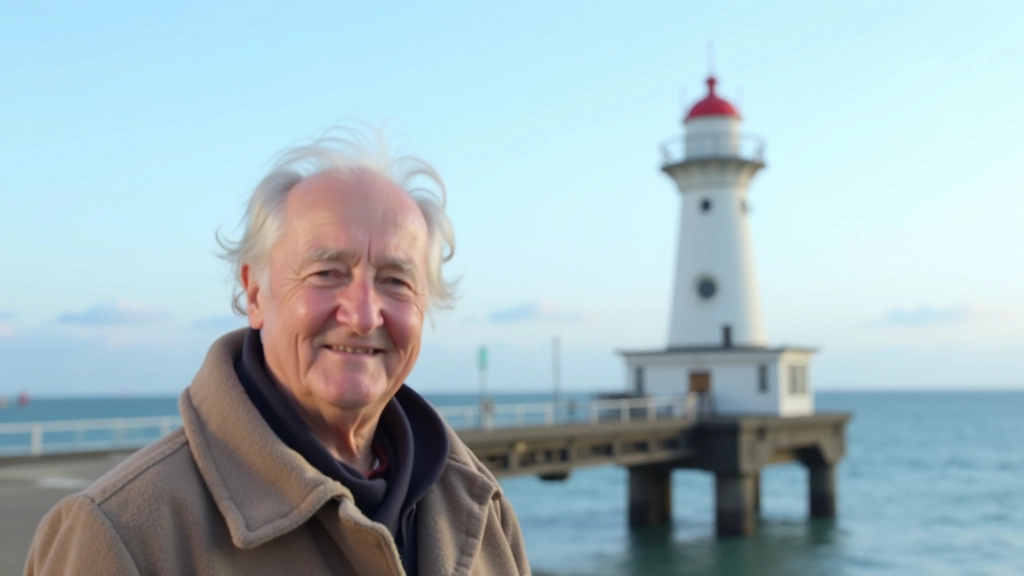
Dún Laoghaire East Pier lighthouse at the end of the pier with open sea and horizon

Practical Tips for Your Walk

Timing

Early morning (7-9am) or late afternoon (4-6pm) are quietest. Mid-morning gets busier with day-trippers and joggers. The light's often best in the late afternoon.

Clothing

The pier's exposed. Even on mild days, wind off the sea means it feels cooler than inland. A light windbreaker's essential. Waterproof jacket if rain's forecast.

Footwear

Regular walking shoes are fine. The surface is solid and well-maintained. Avoid sandals or flip-flops — you'll want ankle support and proper grip.

Breaks

Don't push yourself. There's no prize for speed. Sit down whenever you need to. The benches are there for you. You're on holiday, not a mission.

Information Disclaimer

This guide provides educational information about walking the East Pier at Dún Laoghaire. Conditions can change seasonally and weather can be unpredictable. Always check current weather forecasts before visiting. The pier is a public space managed by the local authority. While it's generally safe and well-maintained, you walk at your own discretion. If you have mobility concerns or health conditions, consult your doctor before undertaking this walk. This guide is intended to help you prepare and understand what to expect, not as a substitute for personal judgment or professional advice.

Why This Walk Matters

Walking the East Pier isn't about reaching a destination. It's about being present on a proper piece of maritime infrastructure that's been here for over 200 years. You're walking where merchants and fishermen have walked, where the sea has been constant and changing in equal measure.

The pace you set is the right pace. The time you spend is the right amount of time. There's no correct way to do this walk — only your way. Some people cover it in 40 minutes and feel exhilarated. Others spend two hours, sitting on different benches, watching the light change. Both are equally valid.

The pier's designed to be walked. It's been walked thousands of times by people just like you — people looking for a bit of fresh air, a change of scenery, and the meditative rhythm of one foot in front of the other. You're in good company.

Siobhán O'Sullivan

Author

Siobhán O'Sullivan

Senior Travel & Wellness Correspondent

Senior travel correspondent with 16 years' experience writing about accessible coastal walks and retirement leisure in Ireland.